Your property is one living system.
Ten Diagnostic Categories
We can measure all of it.
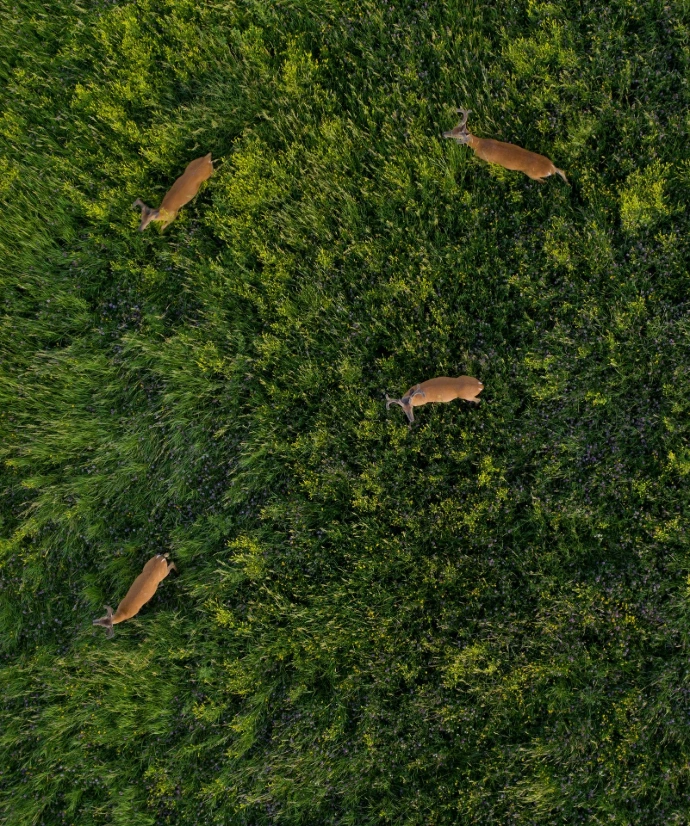
Ground
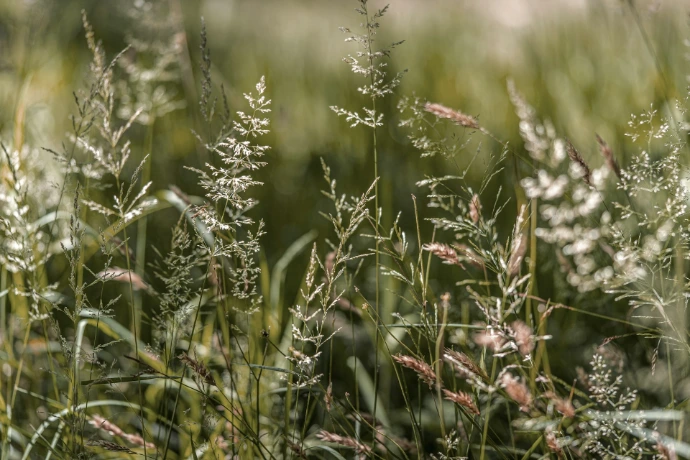
Plant
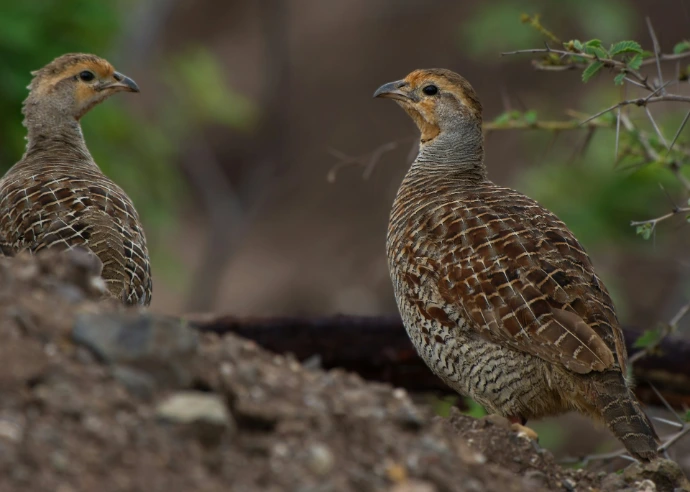
Animal
Pest

Water

Product

Utilities

Contamination

Risk

Climate
About Ground Testing
Edapho can test any ground you hunt, manage, or walk. This includes food plots, bedding areas, travel corridors, field edges, trails, and the dirt under the whole place. Show us the dirt. We can test it.
Not sure if you need testing? We have found three simple identifiers. Do you have a:
Ground you wish to:
- Build into something that holds cover year round. Also see Ground.
- Get a food plot to actually take on. Also see Plant.
- Hold more deer, birds, or game on. Also see Animal.
- Make less welcoming to the invasives creeping in. Also see Pest.
- Soak up rain instead of running it to the creek. Also see Water.
- Feed itself so you stop hauling in fertilizer and lime. Also see Product.
- Put a camp, a blind, or a road on with confidence. Also see Utilities.
- Know is clean before you plant food on it. Also see Contamination.
- Keep from washing off the slope and the trail. Also see Risk.
- Hold up through a dry summer without going hard. Also see Climate.
Ground that:
- Is packed hard and won't take a disc. Also see Ground.
- Won't grow a plot no matter what you put in it. Also see Plant.
- Is beat down and bare where the game concentrates. Also see Animal.
- Grows nothing but the invasive that's taking over. Also see Pest.
- Holds water in the wrong places and none in the right ones. Also see Water.
- Takes more lime and fertilizer every year to do the same thing. Also see Product.
- Rutted out on every road and trail. Also see Utilities.
- Has bare spots nothing will grow on and no reason you can find. Also see Contamination.
- Slides and washes after every hard rain. Also see Risk.
- Bakes and cracks by midsummer. Also see Climate.
You want to know:
- What kind of ground you're actually working with. Also see Ground.
- Why one plot takes and the next one won't. Also see Plant.
- What your ground could really hold. Also see Animal.
- Whether your invasive problem starts in the soil. Also see Pest.
- Where the water goes when it hits your place. Also see Water.
- How much of what you haul in the ground ever holds. Also see Product.
- What's under the road or the pad before you build it. Also see Utilities.
- What this place was used for before you had it. Also see Contamination.
- How much ground you're losing a year. Also see Risk.
- Why your place dries out faster than the one next door. Also see Climate.
About Plant Testing
Edapho can test any plant on your place, from a food plot to a hardwood stand. This includes plots, forage, browse, mast trees, native grasses, cover, bedding vegetation, and anything you're trying to grow for what walks on it. Name a plant. We can test it.
Not sure if you need testing? We have found three simple identifiers. Do you have a:
Plants you wish to:
- Use to build your ground back. Also see Ground.
- Establish and figure out how best to grow. Also see Plant.
- Grow as forage or browse that holds game. Also see Animal.
- Use to crowd out what's taking over. Also see Pest.
- Keep going through a dry stretch. Also see Water.
- Grow without hauling in a truckload of product. Also see Product.
- Screen a road, a camp, or a property line with. Also see Utilities.
- Grow on ground you know is clean. Also see Contamination.
- Hold a bank, a slope, or a trail in place. Also see Risk.
- Match to the season you actually have. Also see Climate.
Plants that:
- Take in one spot and fail thirty yards over. Also see Ground.
- Never established or came in thin. Also see Plant.
- The deer hit so hard they never get going. Also see Animal.
- Are getting choked out by something invasive. Also see Pest.
- Dry up and quit by August. Also see Water.
- Need more lime and fertilizer every year. Also see Product.
- Die out along the roads and the edges. Also see Utilities.
- Came in wrong on ground with a history. Also see Contamination.
- Are gone from the bank where you're losing ground. Also see Risk.
- Can't take the heat or the drought anymore. Also see Climate.
You want to know:
- Why the plot on one end outproduces the other. Also see Ground.
- Which plants are actually right for your ground. Also see Plant.
- Which forage actually holds and feeds your game. Also see Animal.
- How to push back the invasive without spraying everything. Also see Pest.
- How to grow a plot that doesn't need irrigating. Also see Water.
- Whether your plots are getting what they need. Also see Product.
- What to plant to screen a road or a camp. Also see Utilities.
- Whether anything in the ground shows up in what the game eats. Also see Contamination.
- What would hold your worst slope. Also see Risk.
- How to plant for the season you're actually getting. Also see Climate.
About Animal Testing
Edapho can test how the game on your place and your land are working on each other, in both directions. This includes deer, turkey, quail, dove, waterfowl, songbirds, pollinators, and anything else you're managing your ground for. Tell us what you're after. We can test around it.
Not sure if you need testing? We have found three simple identifiers. Do you have a:
Animals you wish to:
- Hold on ground that's actually building. Also see Ground.
- Feed on what grows here instead of what you haul in. Also see Plant.
- Have more of, healthier, and holding on your place. Also see Animal.
- Keep clear of parasites and disease. Also see Pest.
- Water without beating down every pond and seep. Also see Water.
- Keep healthy without a feeder running year round. Also see Product.
- Keep away from the camp, the road, and the equipment. Also see Utilities.
- Keep off ground you're not sure about. Also see Contamination.
- Keep safe from what's on or around the place. Also see Risk.
- Hold condition through the heat and the winter both. Also see Climate.
- Bedding and travel ground beat down to dirt. Also see Ground.
- Deer that won't touch a plot you put in for them. Also see Plant.
- Numbers or body condition down from what they were. Also see Animal.
- Parasites, ticks, or disease showing up in the herd. Also see Pest.
- Game that quit using a water source they used to. Also see Water.
- A feed or mineral program that isn't doing anything. Also see Product.
- Game pressured off the place by roads, camps, or traffic. Also see Utilities.
- Health problems in animals that follow certain ground. Also see Contamination.
- Neighbors, poaching, or predators cutting into what you hold. Also see Risk.
- Game that can't hold condition through the summer. Also see Climate.
You want to know:
- Whether your game is building your ground or beating it down. Also see Ground.
- Whether your forage feeds them what it looks like it does. Also see Plant.
- What your real carrying capacity is. Also see Animal.
- What's actually behind your parasite or disease pressure. Also see Pest.
- What your pond water is doing to what drinks from it. Also see Water.
- Whether your mineral program matches your ground. Also see Product.
- Whether your roads and camp are pushing game off. Also see Utilities.
- Whether anything in the ground is reaching your animals. Also see Contamination.
- What's happening on the ground around you. Also see Risk.
- How much a changing season costs you in habitat. Also see Climate.
About Pest Testing
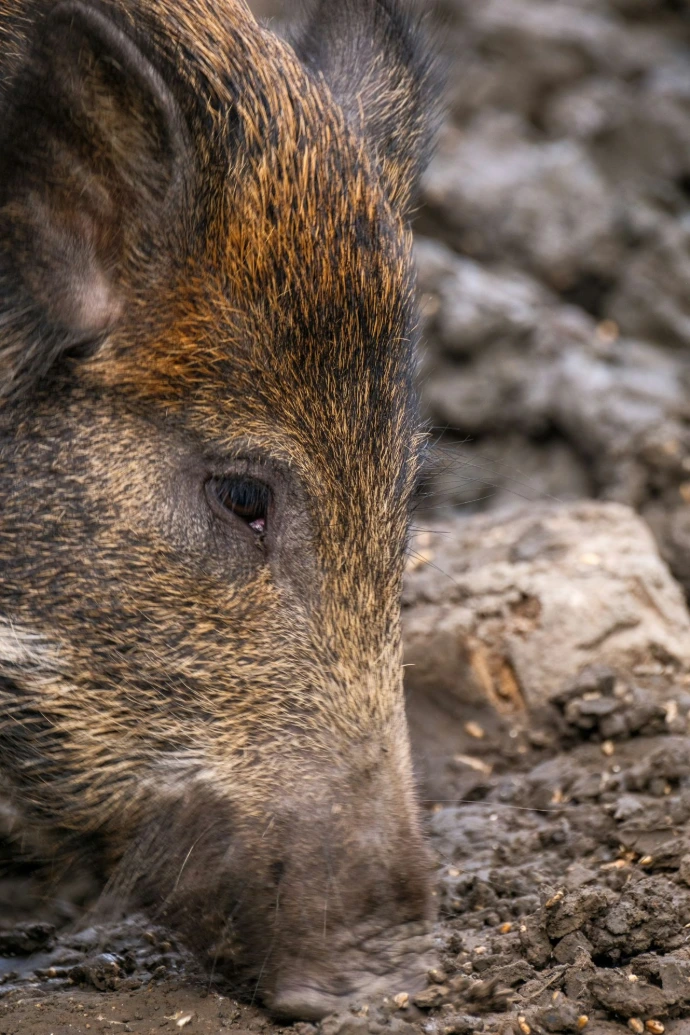
Edapho can test for what's working against your place, and for the reason it keeps coming back. This includes invasive plants, feral hogs, insects, ticks and parasites, disease, predators, and anything else you're trying to knock back. Name what's after your place. We can test for it.
Not sure if you need testing? We have found three simple identifiers. Do you have a:
Pressure you wish to:
- Starve out by fixing the ground it favors. Also see Ground.
- Keep off your plots and out of your stands. Also see Plant.
- Keep out of your herd. Also see Animal.
- Break the cycle on for good. Also see Pest.
- Control without putting anything in your water. Also see Water.
- Handle without a spray program you're stuck with. Also see Product.
- Keep out of the camp, the barn, and the feed. Also see Utilities.
- Manage without adding more chemical to the ground. Also see Contamination.
- Stop before it crosses the fence line. Also see Risk.
- Get ahead of as the seasons stretch. Also see Climate.
- The same invasive in the same ground every year. Also see Ground.
- Something taking your plots faster than they grow. Also see Plant.
- Ticks or parasites your game can't get away from. Also see Animal.
- An invasive that doesn't die at label rate anymore. Also see Pest.
- A pond that turns green and stays green. Also see Water.
- Spray that costs more every year and works less. Also see Product.
- Hogs tearing up roads, plots, and everything else. Also see Utilities.
- Pressure that got worse the more you sprayed. Also see Contamination.
- An invasive or a hog problem coming in from next door. Also see Risk.
- Pests showing up earlier and staying later. Also see Climate.
You want to know:
- Whether your invasive problem is really a ground problem. Also see Ground.
- Why one stand or one plot gets hit and the next doesn't. Also see Plant.
- What's actually bothering your game. Also see Animal.
- What's driving resistance on your place. Also see Pest.
- What's turning your pond green. Also see Water.
- How much of your control spending is preventable. Also see Product.
- What's drawing pests into your camp and your feed. Also see Utilities.
- What all that spraying has left in your ground. Also see Contamination.
- What's coming next based on what's here now. Also see Risk.
- How a longer season changes what you're fighting. Also see Climate.
About Water Testing
Edapho can test the water on your place and the water your game depends on. This includes ponds, tanks, creeks, seeps, springs, wells, guzzlers, and whatever holds water when it rains. Point us to your water. We can test it.
Not sure if you need testing? We have found three simple identifiers. Do you have a:
Water you wish to:
- Get into the ground instead of off it. Also see Ground.
- Keep your plots going through the dry stretch. Also see Plant.
- Know is clean for the game to drink. Also see Animal.
- Keep from breeding what bites your herd. Also see Pest.
- Hold on the place instead of losing to the creek. Also see Water.
- Improve before it carries what you put down. Also see Product.
- Pump or pipe to where you need it. Also see Utilities.
- Know is safe for the camp and the family. Also see Contamination.
- Keep from taking your ground with it. Also see Risk.
- Have enough of when it stops raining. Also see Climate.
- Water that runs off before it soaks in. Also see Ground.
- Plots that dry up while the pond stays full. Also see Plant.
- Game that quit using a water source. Also see Animal.
- Ponds breeding mosquitos and everything else. Also see Pest.
- Water with a smell, a color, or a scum you don't like. Also see Water.
- Water that leaves crust and scale on everything. Also see Product.
- A well or a pump that costs more to run every year. Also see Utilities.
- Water that changed after something upstream changed. Also see Contamination.
- A creek taking your ground a foot at a time. Also see Risk.
- Water that isn't there when you need it. Also see Climate.
You want to know:
- Whether your water is helping or hurting your ground. Also see Ground.
- Why the wet spots grow worse than the dry ones. Also see Plant.
- What your pond water is doing to your game. Also see Animal.
- What's turning your pond green every summer. Also see Pest.
- What's actually in your pond, your creek, or your well. Also see Water.
- What your water does to what you put down. Also see Product.
- What your water is costing you to move. Also see Utilities.
- Whether anything upstream is reaching your water. Also see Contamination.
- How much ground your creek takes a year. Also see Risk.
- How far your water would go in a drought. Also see Climate.
About Product Testing
Edapho can test any product you use on your place. This includes lime and fertilizer, plot seed and seed treatments, herbicide, feed and mineral, attractants, dewormers, fly and tick control, dog treatments, water and pond treatments, and anything else you're hauling in. Name a product. We can test it.
Not sure if you need testing? We have found three simple identifiers. Do you have a:
Products you wish to:
- Stop hauling in because the ground can supply it. Also see Ground.
- Time to the plot instead of the label. Also see Plant.
- Match to what your game actually needs. Also see Animal.
- Swap for something that doesn't build resistance. Also see Pest.
- Keep out of your ponds and your creek. Also see Water.
- Get a real result out of for what you're spending. Also see Product.
- Store and handle right at the camp or the barn. Also see Utilities.
- Replace with something cleaner. Also see Contamination.
- Use without it drifting or running onto a neighbor. Also see Risk.
- Have work in a dry year as well as a wet one. Also see Climate.
- Lime that never moved the pH. Also see Ground.
- Fertilizer that never showed up in the plot. Also see Plant.
- A mineral or a feed the game won't touch. Also see Animal.
- Herbicide that doesn't kill what it used to. Also see Pest.
- Pond treatment you're dumping over and over. Also see Water.
- A truckload of product and a place that looks the same. Also see Product.
- Chemical stored where you'd rather it wasn't. Also see Utilities.
- Residue in the ground from a program you inherited. Also see Contamination.
- Spray drifting where it shouldn't go. Also see Risk.
- Product that works in a normal year and fails in a dry one. Also see Climate.
You want to know:
- What your products actually do once they hit the ground. Also see Ground.
- How much of what you put down the plot ever sees. Also see Plant.
- Whether what you're feeding matches what they're missing. Also see Animal.
- Whether you're solving the pressure or feeding it. Also see Pest.
- Where your products end up when it rains. Also see Water.
- What your place costs you a year in product. Also see Product.
- What you're storing and handling at the camp. Also see Utilities.
- What's built up after years of the same program. Also see Contamination.
- What you're sending off your property. Also see Risk.
- How your program should change with the season you're getting. Also see Climate.
About Utilities Testing
Edapho can test how the camp, the cabin, and the systems on your place are performing for the people using them. This includes wells and water systems, power and generators, cooling and air, lighting, roads and access, and the bills attached to all of it. Tell us what's on your place. We can test it.
Not sure if you need testing? We have found three simple identifiers. Do you have a:
Something you wish to:
- Build a road, a pad, or a camp on knowing what's underneath. Also see Ground.
- Screen or plant around so it works with the place. Also see Plant.
- Site so it doesn't push your game off. Also see Animal.
- Keep rodents and pests out of. Also see Pest.
- Get water to without a bill you can't explain. Also see Water.
- Store your chemical and your feed in right. Also see Product.
- Run cheaper and stop babysitting. Also see Utilities.
- Know is healthy for the family at camp. Also see Contamination.
- Keep out of the water's way. Also see Risk.
- Make workable in July and January both. Also see Climate.
- A camp or a road on ground that won't hold. Also see Ground.
- Runoff off the roof or the road killing what's below it. Also see Plant.
- Roads and traffic that pushed the game out. Also see Animal.
- Rodents in the camp, the barn, or the feed. Also see Pest.
- A well or a pump costing more every year. Also see Water.
- Chemical or feed stored where you'd rather it wasn't. Also see Product.
- A power bill at camp that doesn't add up. Also see Utilities.
- Somebody who feels rough every time they're at the cabin. Also see Contamination.
- A camp or a road that floods out every few years. Also see Risk.
- A cabin you can't keep comfortable half the year. Also see Climate.
You want to know:
- What's under the road or the pad before you build. Also see Ground.
- What to plant to screen the camp or the road. Also see Plant.
- Whether your setup is pushing game off the place. Also see Animal.
- What's drawing pests into your camp. Also see Pest.
- What's actually in your camp water. Also see Water.
- What you're storing and where. Also see Product.
- Where your power and water are actually going. Also see Utilities.
- Whether the air at the cabin is doing anybody any favors. Also see Contamination.
- Whether your camp sits where it should. Also see Risk.
- What it'd cost to make the cabin comfortable year round. Also see Climate.
About Contamination Testing
Edapho can test for what shouldn't be in your ground, your water, or your camp, including whatever was left here before you had it. This includes chemical residues, metals, fuel, old dumps, buried debris, and whatever the last owner left behind. Tell us the history. We can test for it.
Not sure if you need testing? We have found three simple identifiers. Do you have a:
Something you wish to:
- Know is clean before you break ground on it. Also see Ground.
- Know is clean before you plant food on it. Also see Plant.
- Know is safe for your game to be on. Also see Animal.
- Fix without adding more chemical to the ground. Also see Pest.
- Know is clean before anybody drinks it. Also see Water.
- Replace with a cleaner product. Also see Product.
- Know is healthy at the camp. Also see Utilities.
- Clear before you buy the place. Also see Contamination.
- Know about before somebody else finds it. Also see Risk.
- Recover as the weather works on it. Also see Climate.
- Bare ground nothing will grow on and no reason you can find. Also see Ground.
- A plot that came in wrong on ground with a past. Also see Plant.
- Health problems in game that follow certain ground. Also see Animal.
- Ground that got worse the more you treated it. Also see Pest.
- Water that changed after something upstream changed. Also see Water.
- Residue from a program somebody ran before you. Also see Product.
- An old fuel or chemical area near the camp. Also see Utilities.
- A place with a history nobody wrote down. Also see Contamination.
- Runoff or drift coming onto your place. Also see Risk.
- Buried debris that works its way up every wet year. Also see Climate.
You want to know:
- What this place was used for before you had it. Also see Ground.
- Whether anything in the ground shows up in your plots. Also see Plant.
- Whether anything in the ground reaches your game. Also see Animal.
- What all that spraying left behind. Also see Pest.
- What's in the runoff coming onto your place. Also see Water.
- What years of the same program built up. Also see Product.
- Whether the old dump site near the camp matters. Also see Utilities.
- Whether your ground would pass if somebody tested it. Also see Contamination.
- What a buyer or a regulator would find. Also see Risk.
- What a wet year turns up that a dry one doesn't. Also see Climate.
About Risk Testing
Edapho can assess what threatens your place, your game, and the people on it. This includes flooding, erosion, protected species, regulations, what's on the ground around you, and whatever sits upstream. Tell us where you are. We can look into it.
Not sure if you need testing? We have found three simple identifiers. Do you have a:
Something you wish to:
- Stop losing to the creek and the slope. Also see Ground.
- Plant to hold the bank and the trail. Also see Plant.
- Keep your game safe from what's around them. Also see Animal.
- Stop at your fence line before it spreads. Also see Pest.
- Get out of the water's reach. Also see Water.
- Use without drift or runoff liability. Also see Product.
- Site out of harm's way. Also see Utilities.
- Clear before you buy the place. Also see Contamination.
- Know about before somebody else does. Also see Risk.
- Hold up to whatever the year does. Also see Climate.
- Ground that slumps, slides, or won't hold. Also see Ground.
- A bank or a trail with nothing growing on it. Also see Plant.
- A protected species that showed up on your place. Also see Animal.
- Hogs or an invasive coming in from next door. Also see Pest.
- Ground that floods out the same acres every few years. Also see Water.
- Spray that drifted where it shouldn't have. Also see Product.
- A camp, a road, or a well in the wrong spot. Also see Utilities.
- A facility upstream you've wondered about. Also see Contamination.
- A regulation or a boundary issue you found out about the hard way. Also see Risk.
- Weather events that hit harder than they used to. Also see Climate.
You want to know:
- How much ground you lose a year and where it goes. Also see Ground.
- What would hold your worst ground. Also see Plant.
- Whether a protected species changes how you can manage. Also see Animal.
- What's moving onto your place from off it. Also see Pest.
- Whether your low ground is a liability or an asset. Also see Water.
- What your program looks like to a regulator. Also see Product.
- Whether your camp and roads sit where they should. Also see Utilities.
- What's actually upstream or downstream of you. Also see Contamination.
- Whether your ground is regulated in ways you don't know. Also see Risk.
- What a hundred-year rain does to your place now. Also see Climate.
About Climate Testing
Edapho can test how your place performs under the conditions you actually manage in, and the ones coming. This includes heat, drought, rainfall, freeze, wind, and a season that doesn't look like it used to. Tell us your weather. We can build for it.
Not sure if you need testing? We have found three simple identifiers. Do you have a:
Something you wish to:
- Hold water through a dry August. Also see Ground.
- Plant to match the season you actually have. Also see Plant.
- Keep your game in condition through the heat. Also see Animal.
- Stay ahead of as the pest seasons stretch. Also see Pest.
- Have enough water when it stops raining. Also see Water.
- Have work in a dry year as well as a wet one. Also see Product.
- Keep workable in July and January both. Also see Utilities.
- Recover as the weather works on it. Also see Contamination.
- Hold up to whatever the year does. Also see Risk.
- Stop hinging on the rain coming right. Also see Climate.
- Ground that bakes hard and won't take water. Also see Ground.
- Plots that shut down in the heat every year now. Also see Plant.
- Game that can't hold condition through the summer. Also see Animal.
- Pests showing up earlier and staying later. Also see Pest.
- Rain that comes all at once or not at all. Also see Water.
- Product that works in a normal year and fails in a dry one. Also see Product.
- A cabin you can't keep comfortable half the year. Also see Utilities.
- Winters that don't kill what they used to. Also see Contamination.
- Weather that hits harder than it used to. Also see Risk.
- A season that's moved on you. Also see Climate.
You want to know:
- Why your place dries out faster than the one next door. Also see Ground.
- How to plant for the season you actually get. Also see Plant.
- How much a changing season costs you in game. Also see Animal.
- How a longer season changes what you're fighting. Also see Pest.
- Whether your ground could hold you through a drought. Also see Water.
- How your program should change with the weather you're getting. Also see Product.
- What it'd cost to make the cabin comfortable year round. Also see Utilities.
- What a wet year turns up that a dry one doesn't. Also see Contamination.
- What a bad year is really costing you. Also see Risk.
- How much of a bad year is weather and how much is ground. Also see Climate.
What Comes After
Once we know what's there, we can design for the long game.