Your operation is one living system.
FOUR DIAGNOSTIC DOMAINS
We measure all of it.
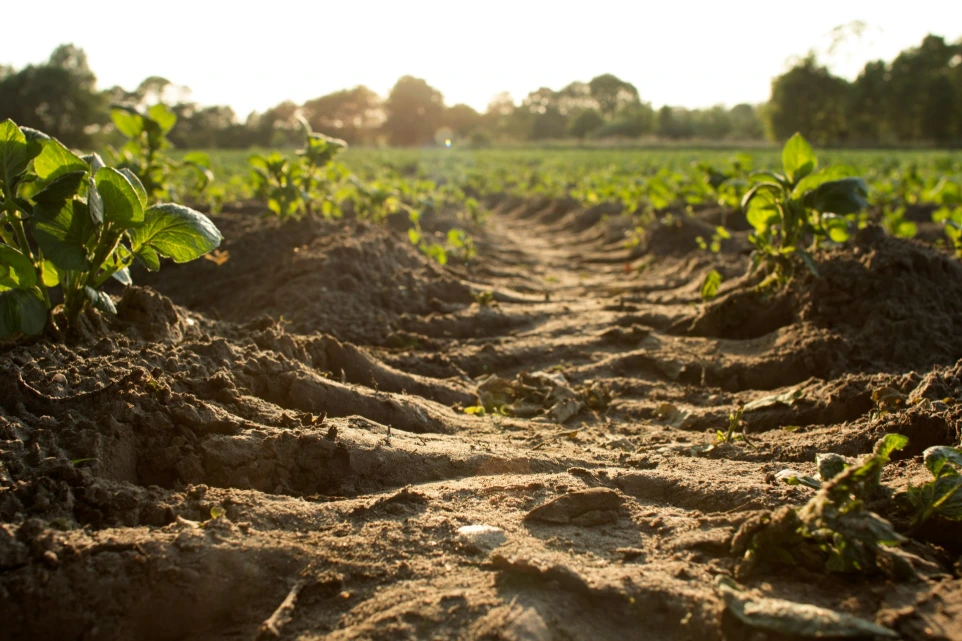
Ground
Soil chemistry across water-soluble, Mehlich, Morgan, and Total Digest panels. Metagenomic biology of bulk soil and rhizosphere. Water chemistry. What your roots can actually pull versus what your lab report shows.
Crop
Plant tissue analysis, sap chemistry, yield mapping. What the crop is doing with what the ground is offering — and what's blocking translation from soil to bushel.
Livestock
Forage tissue and sap analysis, livestock water quality, manure chemistry and biology, parasite and pathogen eDNA panels, pasture composition. What your animals are eating, drinking, and cycling back into the ground.
Inputs
Product analysis on the fertility and biology you're already using. Verifying that what's on the label is what's in the jug, that your application timing is right, and that you're not paying for nutrients the crop can't access.
Pressure
Pest, disease, and weed pressure mapped against soil chemistry and biology. Most pressure problems are symptoms of upstream imbalance — we trace them back to the cause, not the bottle that suppresses them.
Tests built for your operation
Diagnostic scope is matched to your operation, your crop, and what you're trying to fix. A 2000-acre corn-soy rotation gets tested differently than a 40-acre vegetable operation differently than a hay-and-cattle ranch. Same platform, different priorities.
Example A
Row crop baseline
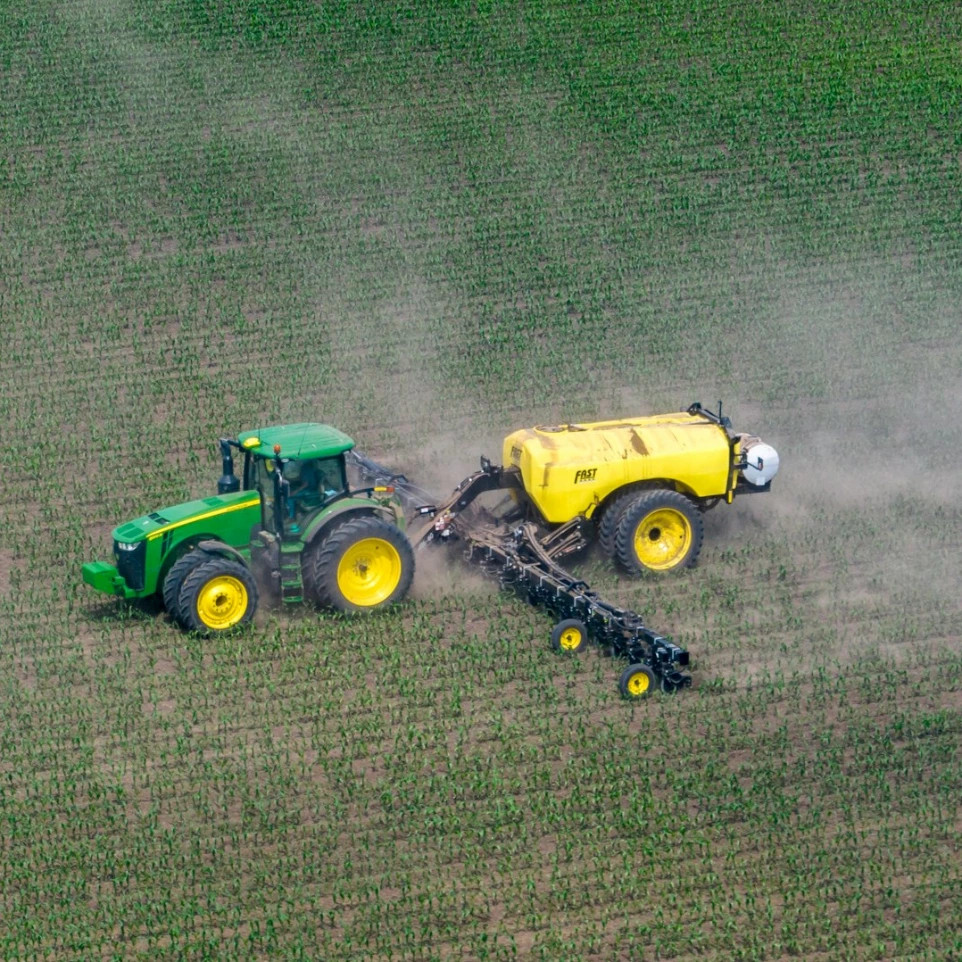
Total Nutrient Panel across stratified field zones + Rhizosphere DNA + Water Chemistry + tissue at V6. Built to drive sidedress and in-season decisions.
Example B
Cow-calf or mixed operation
Soil panel + Bulk Soil DNA + Forage tissue + Sap + Livestock Water + Manure + Parasite eDNA. Stocking rate, mineral supplementation, and forage quality all tied back to ground chemistry across pastures.
Example C
Specialty / orchardFull soil stack + Sap Analysis + Plant Nutrient + Water. In-season decision support driven by leaf and sap chemistry, not just spring soil.
Example D
Specialty / orchardFull panel + DNA + Product analysis + Pressure mapping. Documents the program, validates the inputs, identifies the gap closers.
A report you can actually use.
No lab printouts. No jargon. No degree required. Just a clear, organized picture of your property: your land scores at a glance, the findings explained, and a plan you can act on.
The one-page summary. Field map, sampling design, baseline metrics, risk tier across the operation. The page you can sit down with at the kitchen table and see your whole farm at once.
The full baseline picture across every field. Soil chemistry, biology, water, plant tissue, sap, and pressure. The data the rest of the program gets built around.
The five diagnostic domains, each broken out with measured values, reference ranges, deviation flags, and operational interpretation. What it means, what it costs you, and what to do about it.
The ROI section. What this is costing you per acre right now in yield drag, wasted inputs, and missed potential. What fixing it would cost. What payback looks like over one season and over three. Built in your operation's terms, not abstract numbers.
The cross-domain story. Where soil chemistry is limiting biology. Where biology is limiting nutrient cycling. Where the input program is undercutting itself. Why your field is doing what it's doing in plain language, with the data behind it.
The intervention recommendations. What to adjust, in what order, on what timeline. Specific. Sequenced. Built for your goals and your operation.
The multi-year picture. What we expect to move season to season. What thresholds trigger program adjustments. What yield, quality, and input cost trajectories look like if the program runs to plan. Set up so you can hold us to our predictions.
What Comes After
Once we know what's there, we can design for a deeper fix.
You move from Diagnose into Design. We take the lab results and the goals you defined and build a remediation plan specifically for your property. What to apply, when, in what order, and why.