Skip to Content

STEP 02 · DIAGNOSE

Discover what your project actually captures.

Lab-grade analysis for a clear picture of your home: the land, the plants, the water, your family, and your pets. We test for everything that contributes to wellness, in a report you can actually use.

Go to step 01 See Pricing

Your project is one living system.

Four Diagnostic Domains

We measure all of it.


green grass

Ground

Soil chemistry across four extraction methods, metagenomic biology of bulk and rhizosphere, water chemistry. The carbon storage medium and what's living in it.

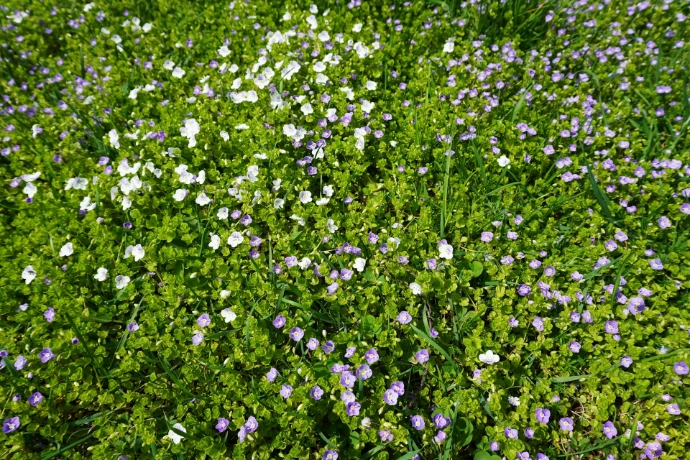
Green ground cover with small white and purple flowers

Cover

Vegetation, cover crops, perennials, tree biomass, sap analysis. What's putting carbon into the system and how the plants are performing under the practice changes.

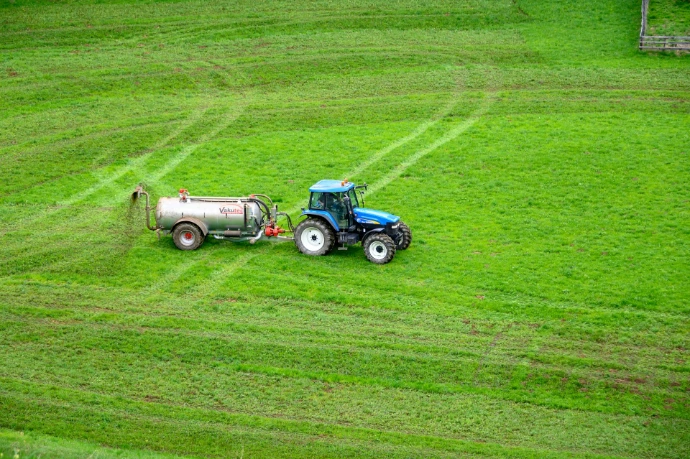
brown tractor on green grass field

Inputs

Fertility programs, biological inoculants, amendments, irrigation chemistry. Verifying that input choices align with, and don't undercut, the carbon and biology you're building.

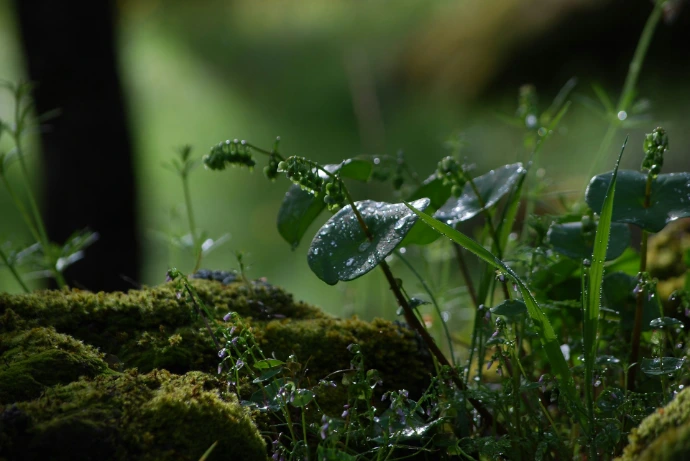
a close up of a plant with water droplets on it

Biodiversity

eDNA panels, species presence, functional guild profiling. Co-benefit documentation that stacks credit programs and defends the ecological integrity claim under audit.

KNOWING YOUR GROUND

If you're verifying it, we can measure it.

 Tests built for your protocol.

Diagnostic scope is matched to the registry, methodology, and credit type you're targeting. A Verra VCS soil carbon project measures differently than a Plan Vivo agroforestry project differently than a water quality trading program. We start from your target endpoint and work backward.


  •  Example A
    Soil carbon baseline

    Total Nutrient Panel + Rhizosphere DNA + Bulk Soil DNA + Bulk Density across the project boundary. Stratified by management zone.

  •  Example B
     Agroforestry establishment

    Soil chemistry, biology, sap analysis, tree biomass measurement. Sequenced through the first three years of credit cycle.

  •  Example C
     Wetland restoration baseline

    Water chemistry + soil profile + biodiversity eDNA panels. Documented across hydrologic periods.

A report you can actually defend.

No lab printouts. No jargon. No degree required. Just a clear, organized picture of your property: your project scores at a glance, the findings explained, and a plan you can act on.

The one-page summary. Project boundary, sampling design, baseline metrics, methodology fit, and risk tier across the project. The page you can share with buyers and verifiers before they dig into the rest.

The full baseline picture. Soil carbon stocks, biology profile, water chemistry, vegetation, biodiversity, input history. The data your future credits get measured against.

The four diagnostic domains, each broken out with measured values, reference ranges, deviation flags, and contextual interpretation. Verifier-ready charts, audit-ready data tables.

The audit-defense section. Sampling methodology, lab chain of custody, QA/QC protocols, statistical confidence, and protocol-specific compliance notes. Built so your verifier opens it, nods, and moves on.

The cross-domain story. Where soil chemistry constrains biology. Where biology constrains carbon flux. Where input choices undercut practice changes. Why your project is performing how it is, in plain language and with the data behind it.

The practice change recommendations. What to adjust to maximize carbon flux, defend additionality, stack co-benefits, and align with your target protocol. Specific. Sequenced. Costed at high level.

The multi-year frame. What we expect to move between re-tests. What thresholds trigger adjustments. What the credit issuance timeline looks like if everything performs to projection. Set up so you and your buyers can hold the project to its own predictions.

What Comes After

Once we know what's there, we can design for a deeper fix.


Start Defining Discover how Edapho Designs